
Translational Confidence
The structured gate between model signal and human relevance.


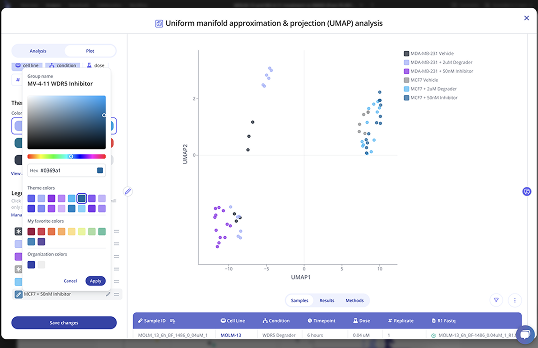
This gate structures how model signal is examined, interpreted, and documented against patient molecular context, before progression decisions are made.
Book a comprehensive review with our expertsWhat Translational
Confidence Requires
Translational confidence does not come from individual results.
It emerges when evidence can be examined, compared, and assembled into a decision.
Evidence Integrity
Results stay connected to their methods, datasets, and assumptions.
Biological Context
Findings are interpreted within the biological system, not as isolated results.
Cross-Study Comparison
Evidence can be compared and reconciled across experiments.
Decision Readiness
Evidence forms a clear record supporting a program decision.
The Translational Confidence Operating Sequence
From preclinical model signal to defensible patient relevance
Translational Confidence structures how evidence is:
into real-time reporting and explicit decisions.
Interrogate
Concordance
Evaluate model fidelity to human molecular context
Model signal is examined directly against relevant human cohorts.
Gene expression, pathway activity, and signatures are explored interactively, with outputs captured into a structured review framework.

Model signal compared to relevant human cohorts (e.g., TCGA, GTEx, CCLE), with findings attached directly to the review record.
Map Evidence
to Biology
Make biological reasoning inspectable & quantifiable
Evidence is formalized as structured objects, not slide fragments.
Each item captures quantified signal, explicit interpretation, review state, and authorship, preserved within a durable record.
Signal is not just generated.
It is interpreted, reviewed, and preserved.
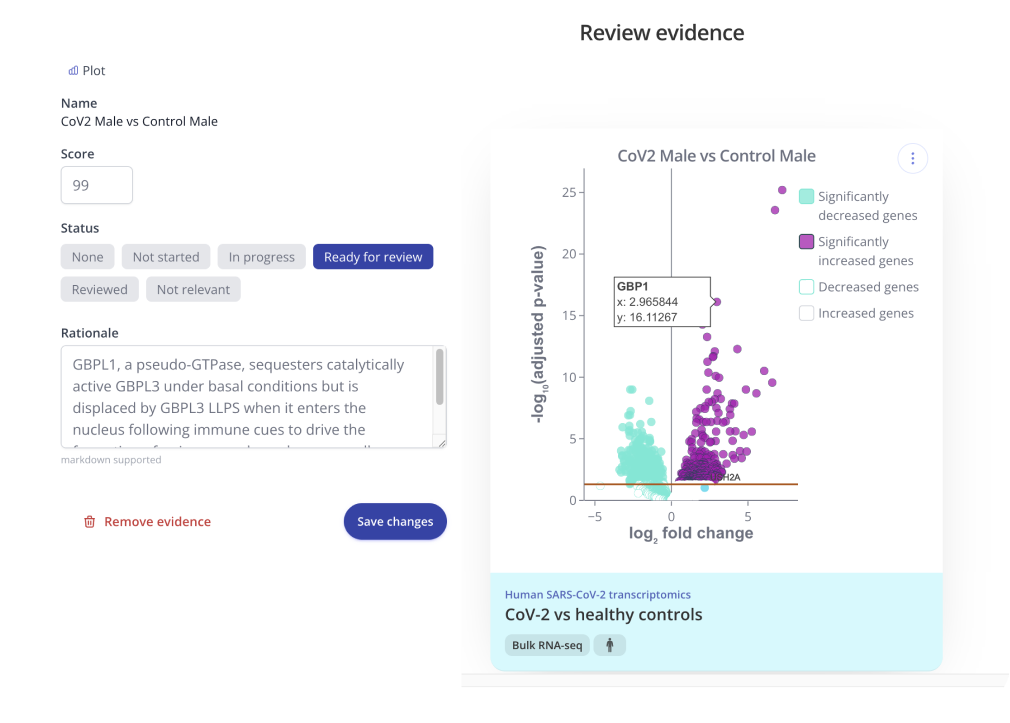
Evidence formalized as structured objects with scoring, rationale, and review state, attached directly to the progression record.
Synthesize
Scientific
Strategy
Unify multi-omic evidence within a collaborative review environment
Translational alignment does not live in a single analysis.
Analyses, cohorts, interpretations, and discussion are connected in one shared workspace, so reasoning is visible across the team, not trapped in individual files.
Evidence is not scattered. It is organized, linked, and reviewed in context.
Confidence is built collectively, and documented as such.
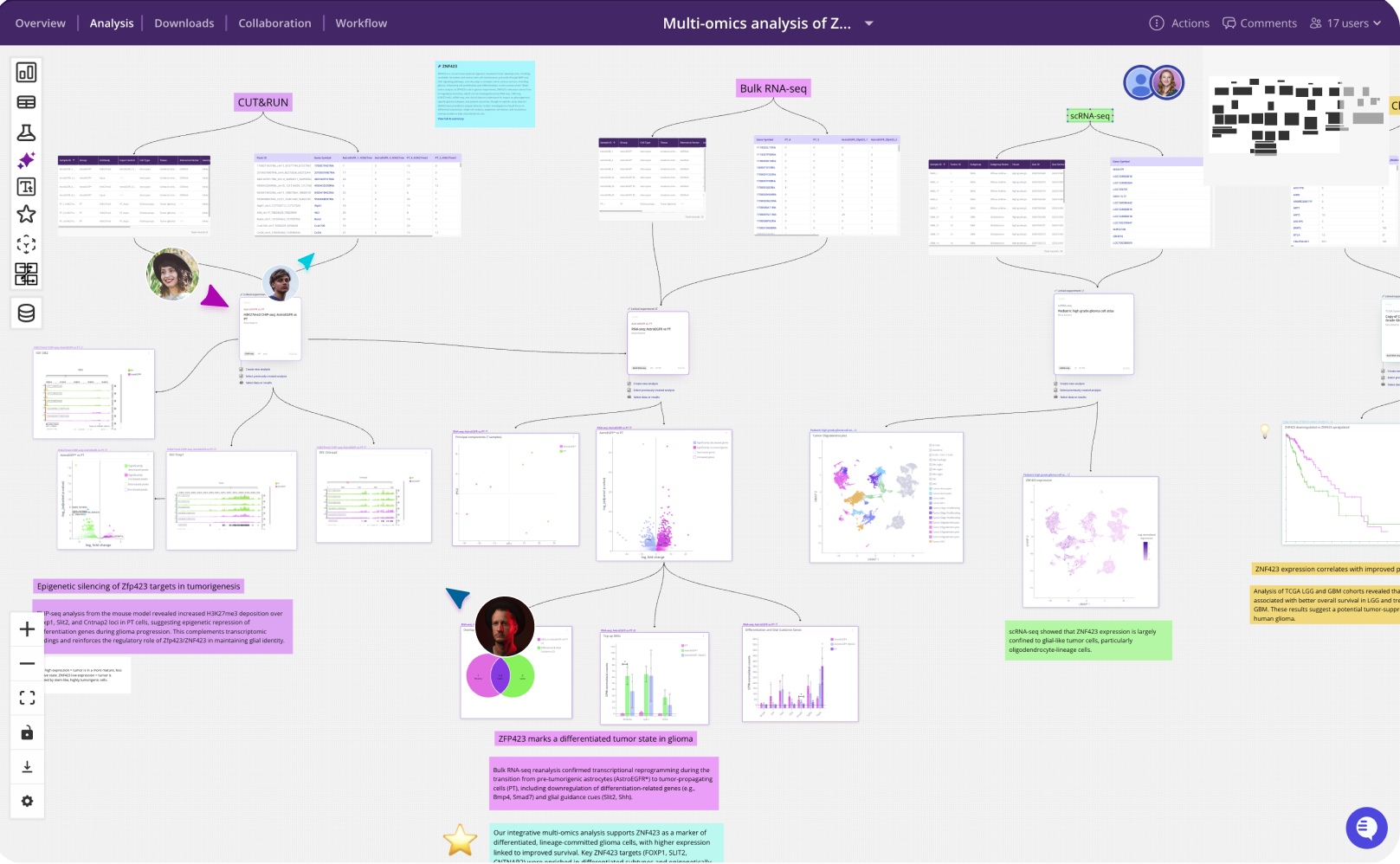
Signal, context, and interpretation converge in a shared review canvas, where multi-omic evidence is examined together and preserved as structured reasoning.
Formalize
the Decision
Translate structured evidence into an explicit progression decision
From prioritized targets through translational review, evidence is consolidated into secure, traceable records that preserve progression rationale.
Decisions are not automated.
They are made explicit.
Reasoning is not implied.
It is documented, linked, and preserved.
Progression becomes inspectable, not retrospective justification.

Progression decisions linked directly to structured evidence, interpretations, and review state.
Ready for AI Workflows
Pluto structures experimental evidence so it can be explored by both scientists and computational systems.
Every dataset, method, and interpretation remains traceable. This allows analytical models and future AI systems to interrogate evidence without losing experimental context.
Instead of replacing scientific reasoning, Pluto preserves it, making it possible to apply advanced analysis on top of trusted experimental records.
What This Means
for Your Team
Translational Confidence is a shared structure for making, reviewing, and defending progression decisions across scientific, computational, and leadership teams.
Translational medicine leaders
A repeatable structure for reviewing programs
Clear articulation of what supports progression
Comparable decision records across therapeutic areas
Scientists & program contributors
Direct interrogation of results against explicit criteria
Faster alignment around next steps
Evidence that remains connected to reasoning
Bioinformatics and other computational teams
Reduced regeneration of routine downstream figures
Transparent methods, code, and version history
A stable environment linking questions to outputs
Unsure whether your program is ready to progress?
Bring one active program.
We'll examine it together.
In 30 minutes, we will:
- Review your translational hypothesis
- Examine how model signal maps to patient molecular context
- Identify where alignment holds and where it breaks
- Assess whether the progression rationale is defensible
You leave with a clearer decision and defined next steps.
Book a Translational Confidence ReviewResources & Updates
Why Cell Summary Analysis Is a Game Changer for Translational Teams and How Pluto Makes It Easy
Why Bioinformatics Consulting Can’t Keep Up with Modern Discovery
How delays, data silos, and limited visibility slow discovery — and what leading teams are doing instead.
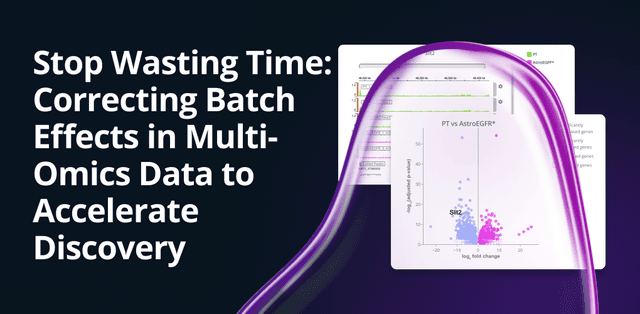
Stop Wasting Time: Correcting Batch Effects in Multi-Omics Data to Accelerate Discovery
Unifying Your Science: The Power of an Integrated Multi-Omics Platform
End fragmented data workflows with a secure, collaborative hub for multi-omics research.
The Pluto Bio Approach to Batch Effect Correction: Harmonization without Compromise
The Hidden Barriers Slowing Translational R&D with Single-Cell Data
Single-cell data is transforming translational research. From oncology to immunology, the ability to resolve cell populations at unprecedented resolution is fueling breakthroughs in target discovery, biomarker identification, and patient stratification.
Upgrade Your Translational Bioinformatics Platform
How Pluto Accelerates Collaboration and Insights Across Multi-Omics Data
Your RNA-seq Data Is Ready. So Why Are You Still Waiting?
The analysis bottleneck holding teams back
Science Tells a Story - Pluto Makes It Actionable
A collaborative platform that helps translational research teams turn multi-omics data into insight, alignment, and impact.
Buried in bigWigs? Simplify Your Genomic Data Visualization
bigWig files are powerful for signal visualization — but without context and collaboration, they slow discovery. Pluto connects them to your full workflow.
Pluto Bio Raises $3.6M to Expand AI-Powered Multi-Omics Analysis Platform for Pharma
Funding led by new investor Kickstart, with continued support from Silverton Partners and other investors
Accelerating cancer research with the Cancer Cell Line Encyclopedia (CCLE)
Accelerate cancer research with the Cancer Cell Line Encyclopedia (CCLE) and Pluto Bio’s no-code platform. Discover biomarkers, test therapies, and unlock insights from extensive cancer cell line data.
Unlocking cancer research with The Cancer Genome Atlas (TCGA)
Accelerate cancer research with TCGA data—uncover biomarkers and targets effortlessly using Pluto Bio’s intuitive, no-code bioinformatics platform.
Proteomics 101: A primer for translational scientists
Discover how proteomics empowers translational scientists to uncover disease biomarkers, identify novel drug targets, and optimize clinical decisions.
GSEA vs ORA: Two key pathway analysis approaches for next-gen sequencing data
Explore the differences between GSEA and ORA for pathway analysis of next-gen sequencing data. Learn how these two key approaches help interpret gene expression results and reveal underlying biological processes.
Comparing bioinformatics platforms: Pluto Bio, Partek Flow, Basepair, and Rosalind
Compare top bioinformatics platforms—Pluto Bio, Partek Flow, Basepair, and Rosalind—to find the best fit for your NGS data analysis needs. Assess supported assays, analyses, visualizations, and collaboration features.
Navigating the NIH's updated genomic data security best practices: What researchers need to know
Explore NIH's updated genomic data security best practices and learn how researchers can ensure compliance and protect sensitive data using platforms like Pluto Bio.
Understanding RNA-seq and scRNA-seq: A guide for biologists
Discover the differences between RNA-seq and scRNA-seq, their applications in target discovery, and how pseudobulking bridges bulk and single-cell analysis. Unlock insights into gene expression for drug development and personalized medicine.
Unlocking biological insights with multi-omics approaches
Explore how multi-omics integrates diverse datasets like RNA-seq, ATAC-seq, and ChIP-seq to unlock biological insights, accelerate drug discovery, and drive personalized therapies. Learn more about its impact on cancer research and target identification.
Multi-Omics Target Validation: Building an Effective Drug Discovery Pipeline
Discover how Pluto’s multi-omics pipelines accelerate target validation in drug discovery. Learn how integrated platforms streamline the path from omics data to validated therapeutic targets.
Alternatives to Rosalind for Bioinformatics and Computational Biology
Discover top alternatives to Rosalind for bioinformatics and computational biology. Explore platforms like Pluto Bio, BaseSpace, GenePattern, and more to find the right solution for your research needs.
Annotating cell clusters in single cell RNA-seq datasets
Confidently annotate scRNA-seq clusters with strategies using gene sets, AI tools, and a biology-first approach to uncover cell types and states.
Using Multi-Omics Approaches for Effective Target Discovery
Discover how multi-omics revolutionizes drug discovery by integrating genomics, proteomics, and more to reveal complex disease networks, enabling precise target validation and accelerated breakthroughs.
Nimbus Therapeutics case study
Learn how Nimbus Therapeutics is simplifying Multi-Omics Data Analysis: Nimbus Therapeutics' Success with Pluto Bio
Discover new targets, biomarkers, and signatures with single cell marker expression analysis
Announcing 3 new visualizations available in Pluto for analyzing single cell data! Investigate marker gene expression and signatures with ridge plots, violin plots, and UMAPs. Customize colors and layouts to make your plots truly presentation-ready 😍
Enhancing Retinal Research: Al Diri Lab's Integration of Pluto Bio
Discover how the Al Diri Lab improved efficiency and productivity in retinal research using Pluto Bio.
Leveraging Pluto Bio for Brain Drug Delivery: Wyss Institute Brain Targeting Program
The Wyss Brain Targeting Program announced it will use Pluto’s target discovery software platform to analyze and visualize -omics data, curate evidence from various published literature sources, and integrate these findings with expert insight from Wyss Institute scientists to efficiently identify and prioritize genes and proteins with transport capacity that can significantly increase drug transport into the brain.

Unlocking multi-omics in drug discovery with bioinformatics
Multi-omics has emerged as a transformative technology in drug discovery. Layering genomics, transcriptomics, proteomics and other molecular analyses in a single experiment can provide deep biological insight and identify new therapeutic targets. However, developers face challenging data integration and analysis to get the most out of multi-omics data. Here, we explore how bioinformatics is key to unlocking the full potential of multi-omics and transforming drug discovery.
Case study: Nimbus Therapeutics - Simplifying multi-omics data analysis
Learn how Nimbus Therapeutics is simplifying multi-omics data analysis and accelerating small molecule drug discovery with Pluto’s bioinformatics platform
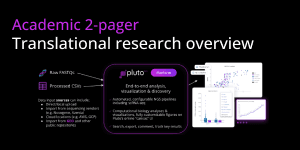
Academic 2-pager - Translational research overview
Even for clinicians and lab members without coding experience, Pluto makes it easy for any of us to look at our own data and make publication- ready plots.
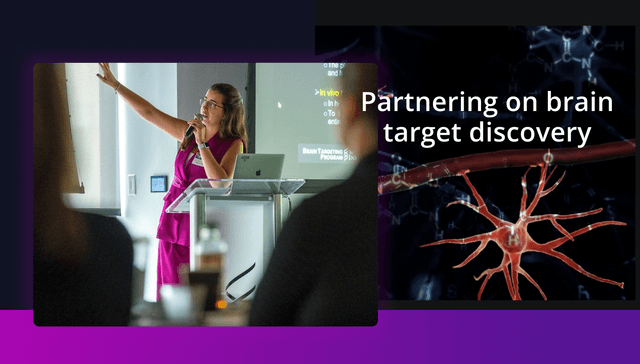
Pluto Bio leveraged by Wyss Institute Brain Targeting Program on discovery of new transport targets for brain drug delivery
Pluto Bio partners with Wyss Institute Brain Targeting Program on novel target discovery. Leading institute to use Pluto’s target discovery platform to integrate -omics data, literature, and other evidence in their discovery of brain-targeting shuttles for drug delivery that can help revolutionize the treatment of brain diseases.
RNA-Seq 101 for Biologists
Learn the basics of RNA-seq, including its methodology, applications, experimental design, and data analysis techniques. This 101 overview is perfect for biologists and bioinformaticists investigating transcriptomics for the first time.
Pluto selected as a winner of the 2024 Q2 Product Awards, hosted by Products that Count
Products that Count is a 501(c)3 nonprofit that helps everyone build great products. It celebrates product excellence through coveted Awards that inspire 500,000+ product managers and honor great products and the professionals responsible for their success.

Pluto featured in ColoradoBiz
ColoradoBiz profiles Pluto, a Denver start-up that helps accelerate drug development
Pluto Among Top 20 Life Sciences Companies Named to BioTools Innovator 2024 Cohort
We're thrilled to announce that Pluto has been selected as one of 20 companies in the 2024 cohort of the BioTools Innovator Accelerator, the first accelerator dedicated to supporting life science tools.
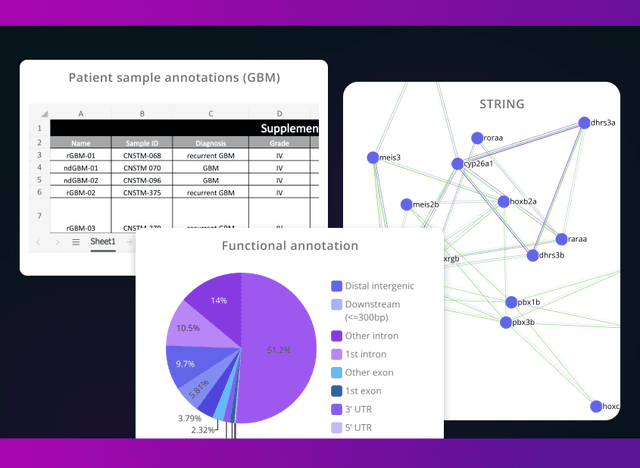
Pluto product update - Spring 2024
We've released some exciting updates in Pluto recently to help your team gain even more insight from your data. Read on for the latest
Announcing Pluto Bio's new look
We're excited to unveil an updated brand for Pluto Bio! The new brand elevates our mission to empower every scientist to run analyses & create beautiful visualizations with modern, collaborative software.
Announcing end-to-end single cell RNA-seq analysis in Pluto
Ready to experience the most intuitive scRNA-seq experience yet?
New publication: Histone demethylase KDM5 in cardiomyocyte maturation
We’re proud to highlight a new paper citing Pluto, published in Cardiovascular Research by Dr. Priyatansh Gurha at The University of Texas Health Science Center.
Your home for scientific productivity: embedded apps
Increase collaboration with third-party apps in Pluto
JP Morgan Health Conference in San Francisco - January 2024
Pluto is excited to attend the 42nd annual JPM Healthcare Conference.
Pluto product update
We’re excited to share a look at some of the latest product updates we’ve been working on, and give you a sneak peek into new features. Here’s the latest: Comments and Notes, Covariates, Export to Microsoft Word and Powerpoint, and more.
The importance of considering covariates in RNA-seq and other -omics data analysis
To draw accurate and meaningful conclusions from RNA-seq data, it is essential to consider covariates, which are additional, potentially “hidden” variables that may impact gene expression in your experiment
New publication: A human lung alveolus-on-a-chip model of acute radiation-induced lung injury
We’re proud to highlight a new paper citing Pluto, published in Nature Communications by Dr. Queeny Dasgupta at the Wyss Institute at Harvard University.
Real-time collaboration with comments and notes
Comments and research notes allow team collaboration within Pluto
Pluto Product Update - October 2023
New in Pluto: Graphpad Prism support, SDKs, and expanded experiments ✨
Pluto awarded High Performer in G2 Grid Report for Pharma & Biotech - Fall 2023
The results are in for G2's Best of Pharma & Biotech software - Fall 2023
Pluto Product Update - June 2023
Check out the latest summer feature releases from Pluto! Sync your interactive analyses, visualizations and results to Benchling, create private and public share links, plus build multi-panel figures with Storyboards
Introducing the Pluto + Benchling integration
Accelerate workflows by syncing interactive Pluto visualizations to the Benchling R&D Cloud
The Origins, Comparisons, and Practical Insights into PRO-seq Technology
Dive into the world of Precision Run-On sequencing (PRO-seq) in this comprehensive blog post. Discover the origins of PRO-seq, how it compares with traditional RNA-seq, and explore a step-by-step guide on conducting a PRO-seq experiment. Uncover how this innovative technology is advancing our understanding of transcriptional dynamics and revolutionizing genomic research.
Pluto named one of the 2023 Top Vertical SaaS Companies to Watch
Pluto was named one of the 2023 Top Vertical SaaS Companies to Watch by Headline VC and Bain Capital Ventures.
Denver bioscience data software startup gets $3.7M, attention from local researchers
The company born from a Harvard research institute is ramping up its sales strategy.
Pluto Biosciences Raises $3.7M to Revolutionize Biological Data Interpretation and Accelerate Life Sciences Discoveries
The Wyss Institute article on advice from Wyss lumineers to life science entrepreneurs
Pluto announces $3.7M seed round, led by Silverton Partners
The Company’s web-based, computational biology platform empowers researchers to analyze and visualize high-dimensional biological data, and intuitively interpret and present novel findings
Navigating RNA-Seq Data: A Comprehensive Guide to Normalization Methods
RNA sequencing (RNA-Seq) has revolutionized the way we study gene expression. The data deluge it produces, however, presents a critical question: how can we make valid comparisons between different samples or conditions?
Understanding Key File Formats in High-Throughput Research
Learn about key file formats in high-throughput research, including FASTQ, FASTA, BAM/SAM, BAI, SAM, VCF, GFF/GTF, BED, BedGraph, BigWig, and PDB. Discover how each format is used, what information it contains, and its significance in analyzing ChIP-seq and ATAC-seq data. Understanding these formats is crucial for efficiently handling and analyzing high-throughput data, enabling valuable biological insights and discoveries.
Pluto Product Update - January 2023
Check out the latest features from Pluto for 2023! Upgrade your presentation game with interactive slides and live data, get early access to the new Scientific Storyboards feature, auto-detect RNA-seq strandedness, and access over 14,000 published experiments. Plus, learn about differential expression analysis in the latest Pluto Learning Series. Join the Pluto community today!
Accelerating Research Discovery with Bioinformatics Platforms: The Benefits of Implementation
In the field of genomics and bioinformatics, research discovery can be slowed down by the time and resources required to analyze and interpret large datasets. Bioinformatics platforms, which are specialized software or online tools that provide a range of analysis functions, can help to streamline the process and accelerate research discovery.
Pluto Product Update - December 2022
See your end-of-year wrap-up with real-time metrics
JP Morgan Health Conference in San Francisco - January 2023
Pluto will be participating in the upcoming 41st annual JPM Healthcare Conference.
New publication: Stem-Cell-Derived β-Like Cells with a Functional PTPN2 Knockout Display Increased Immunogenicity
We’re proud to highlight a new paper citing Pluto, published today in Cells by Dr. Holger Russ’ lab at the Barbara Davis Center for Diabetes, University of Colorado School of Medicine.
CUT&RUN 101 for Biologists
Curious about CUT&RUN and when you would use it? Learn more in this Pluto blog post about getting started with CUT&RUN.
Exploring the Differences Between Computational Biology and Bioinformatics
This blog post explains the differences between computational biology and bioinformatics. Bioinformatics is concerned with the development and application of computational methods for analyzing and interpreting large biological datasets, while computational biology involves mathematical models and computer simulations to study complex biological systems and processes. The post also describes the different tools and platforms used in each field and how modern SaaS platforms are bringing the two fields together. Finally, a top 10 list summarizes the main differences between computational biology and bioinformatics.
The Best Advice for Life Sciences Entrepreneurs with Pluto highlight
The Wyss Institute article on advice from Wyss lumineers to life science entrepreneurs
The Importance of Kaplan-Meier Curves in Computational Biology Research
Kaplan-Meier curves are an essential tool in computational biology research, allowing analysis of survival data and identification of important genes and pathways associated with specific traits or diseases. Learn more about their importance in this blog post. #computationalbiology #KaplanMeier #survivalanalysis
What is RSEM?
A mini intro to RSEM, a workhorse in RNA-seq data quantification.
Introducing an even more powerful experience for creating publication-ready plots
Pluto is revolutionizing how R&D teams think about their results and figures.
Dimensionality Reduction Techniques in Computational Biology: Insights, origins, and Emerging Directions
Unlocking the power of big data in biology with dimensionality reduction techniques. Explore how PCA, t-SNE, and other methods are driving insights in computational biology. #DimensionalityReduction #ComputationalBiology #BigDataInsights
Visualizing Genomic Data with IGV Plots: A Powerful Tool for Genomic Research
Discover the power of Integrative Genomics Viewer (IGV) plots - a highly customizable and interactive tool for visualizing and exploring genomic data. Learn how IGV plots can be used in genomic research and the methods for creating data used in these plots. #genomics #bioinformatics.
Differential Expression Analysis: Understanding the Techniques and Benefits in Research
Differential expression analysis is a powerful tool used to identify genes or transcripts that are differentially expressed between two or more conditions or sample types. This technique is commonly used in the field of genomics, transcriptomics, and proteomics to study the molecular mechanisms underlying different biological processes, such as disease development, response to treatment, or adaptation to different environments.
Understanding Z-scores in RNA-seq Analysis
In this blog post we will explain what Z-scores are how they are calculated and how they can be used in RNA-seq analysis.
Best of Show Awards Highlights New Products in Bio-IT (Pluto featured)
The Best of Show Awards offers exhibitors at the Bio-IT World Conference & Expo an opportunity to showcase their new products.
Pluto product update - May 2022
We’re excited to share a look at some of the latest product updates we’ve been working on, and give you a sneak peek into new features. Here’s the latest: Flexible plot layouts, New analysis type: Time-to-event or survival analysis, Normalization for count data, and more.
Meet the Pluto team at Bio-IT World 2022!
The Pluto team is attending our first Bio-IT World Conference & Expo in Boston May 3-5, 2022! We’re looking forward to learning about all of the impactful research the attendees are doing, and sharing how Pluto is accelerating R&D for life sciences organizations of all sizes.
35 Most Innovative Machine Learning Startups & Companies (Denver, Colorado)
Read the Data Magazine news post which features Pluto in their article showcasing their top picks for the best Denver, Colorado based Machine Learning companies.
Revolutionizing Gene Expression: The Power of qPCR
qPCR has transformed molecular biology by providing unparalleled accuracy and sensitivity in the detection and quantification of nucleic acid sequences. Despite its potential drawbacks, such as cost and optimization requirements, qPCR has proven invaluable in research, clinical diagnostics, and food safety testing. Recent advancements in qPCR technology, such as Digital PCR and CRISPR-based qPCR, have further expanded its applications. Learn more about the origins and potential of qPCR in our latest blog post.
Unraveling the Power of ChIP-seq: A Guide to Understanding Protein-DNA Interactions
ChIP-seq, or chromatin immunoprecipitation sequencing, is a powerful tool used to study protein-DNA interactions in the genome.
Understanding Fraction and Reads in Peaks: A Guide for ChIP-seq and ATAC-seq Analysis
We will explain what these factors are and how they are used to analyze ChIP-seq and ATAC-seq data
November is Epilepsy awareness month: How Pluto is supporting epilepsy research
November is Epilepsy Awareness Month and organizations, researchers, journals and foundations around the world are taking this time to come together as a community and address how to best use our resources towards improving outcomes for epilepsy patients. There have been exciting advances recently in new target identification, animal research models, biomarker discoveries and stem cell therapies.
Exploring the Power of ATAC-seq: A Guide to Understanding Chromatin Accessibility
ATAC-seq, or assay for transposase-accessible chromatin sequencing, is a powerful tool used to study the accessibility of the genome.
Unleashing the Power of Next-Generation Sequencing (NGS) with the Right Software
Next-generation sequencing (NGS) is a powerful tool used to generate high-throughput DNA sequencing data.
DESeq2: An Overview of a Popular RNA-Seq Analysis Package
DESeq2 is a popular and widely used package in the field of bioinformatics for the analysis of RNA-Seq data. It provides a more comprehensive view of gene expression compared to traditional microarray technology.
Pluto Biosciences Closes $1M Seed Round for Industry-first Collaborative Life Sciences Platform
Announcing Pluto's first round of funding to fuel an industry-first collaborative platform for biological data analysis
Wyss Institute Spinout Pluto Biosciences Bets on Collaborative Bioinformatics Platform
Read more about how Pluto Biosciences spun out of the Wyss Institute for its collaborative bioinformatics platform
Cytokine Panels: An In-Depth Guide to Analysis and Significance
Cytokines are small proteins that play a crucial role in regulating the immune system, inflammation, and cell growth.
Research spotlight: Novel antibody increases detection and destruction of tumors
For decades, scientists have been trying to find cures for all the various cancers that plague humanity and have made incredible strides towards this goal. We currently have various treatments that are able to significantly prolong survival and in some cases completely treat the cancerous tumor. One of the major roadblocks in our ability to cure this disease is related to the incredible heterogeneity that exists within each tumor and each patient. Additionally, the way each organism responds to the tumor cells is also extremely varied placing a lot of pressure on clinicians and scientists to constantly adapt.
Pluto Biosciences Launches Cloud-based Collaborative Life Sciences Platform for Academia Biotech and Pharma Organizations
Press release on Pluto launching the cloud-based data management and analysis platform.
An Introduction to SAMtools: A Powerful Tool for Analyzing Next-Generation Sequencing Data
SAMtools is a software package for interacting with and processing next-generation sequencing data
Cloud-Based Data Management Startup Launched by Wyss Institute
Pluto, a biological data management platform stattup, was lauched from the Wyss Insitute at Harvard.
Pluto Biosciences launches from Harvard’s Wyss Institute to speed scientific discovery
A great article by Lindsay Browne on how Pluto launched from teh Harvard's Wyss Institute to speed scientific discovery.
Research spotlight: Modeling motor neuron diseases in vitro
Motor neurons are important cells in our body that send signals to our skeletal muscle that allow us to do activities like walk, speak, swallow, and even breathe. Motor neuron diseases like amyotrophic lateral sclerosis (ALS) destroy motor neurons. When muscles don’t receive normal signals from our motor neurons, the muscles atrophy (weaken and shrink) and we lose the ability to do those activities over time.
Introducing Pluto
Hello world! After six foundational months of work, we are humbled and proud to announce the launch of our company: Pluto Biosciences, Inc.
Research spotlight: COVID-19 mRNA vaccine antibody responses against new variants
How effectively do the Moderna and Pfizer mRNA vaccines mount a response against the SARS-CoV-2 variants causing new waves of infections? This study measured antibody levels in serum and found that both provided strong protection against new variants.
Trimming RNA-seq Data: A Step-by-Step Guide
In this blog post, we will walk through the steps of trimming RNA-seq data using popular software tools such as Trimmomatic and Cutadapt.
Understanding the Role of Bioinformatics Engineers
Mastering Key Skills and Coding Languages for Effective Analysis of Biological Data: A Guide to Bioinformatics Engineering